A wellness stipend is an employer-funded allowance that employees spend on approved health and wellbeing expenses, from gym memberships to therapy to ergonomic equipment. Rather than one fixed benefit chosen for them, employees pick what actually helps. SHRM’s 2025 Employee Benefits Survey found 39% of employers now run structured wellness programs, down from 53% in 2021, pushing flexible stipends forward.
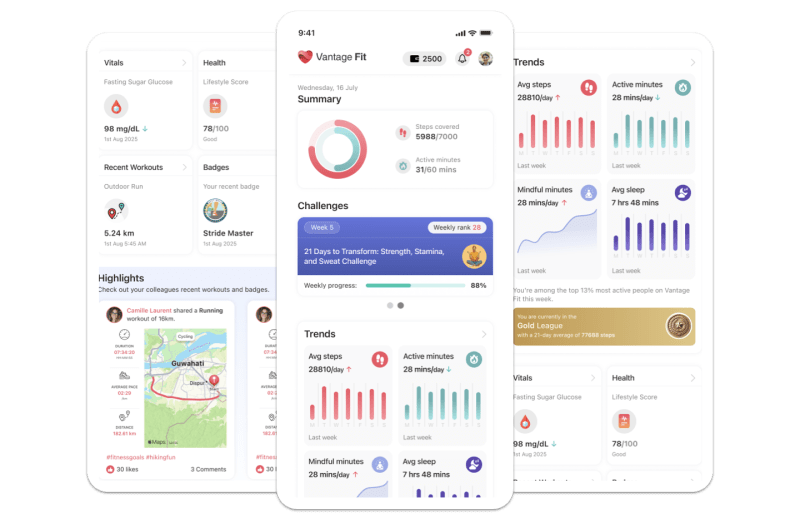
That flexibility is also the catch. A stipend funds activity but does not create it, which is why many HR teams pair one with a wellness platform such as Vantage Fit that adds challenges, tracking, and participation data on top of the budget.
KEY TAKEAWAYS
- A wellness stipend is a flexible employer-funded allowance for health and wellbeing expenses, chosen by the employee rather than the employer.
- Stipends are almost always taxable income. The IRS treats general wellness rewards such as gym memberships as wages, not medical reimbursements.
- Common budgets run roughly $25 to $100 per employee per month, scaling with company size.
- A stipend covers cost but not engagement. Pairing it with a wellness platform is what produces participation data and measurable ROI.
- Track utilization, participation, and category mix from day one, or you will have no case for renewing the budget.
Employee expectations around workplace benefits have evolved significantly in recent years. Modern employees want benefits that support their overall wellbeing, not just traditional healthcare coverage.
Physical health, mental wellness, work-life balance, and personal development are now essential parts of a comprehensive employee benefits strategy.
As organizations rethink how they support employee wellbeing, wellness stipends have emerged as one of the most flexible and practical benefit solutions available to HR teams.
A wellness stipend is an employer-funded allowance that employees can use for approved health and wellbeing expenses. Instead of offering a fixed benefit such as corporate gym membership, companies provide employees with a flexible budget that can be used for activities that improve their personal wellbeing.
Employees often use wellness stipends for expenses such as:
- gym memberships
- mental health support
- fitness equipment
- wellness apps
- ergonomic home office tools
- nutrition programs
This flexibility allows employees to choose benefits that align with their lifestyle and health priorities.
For HR leaders, however, implementing a wellness stipend program involves more than simply allocating a budget. Organizations must consider program design, tax implications, employee adoption, compliance requirements, and long-term return on investment.
This guide explains everything HR teams need to know about designing and implementing a successful wellness stipend program. It covers how wellness stipends work, benchmark stipend amounts, real company examples, and a step-by-step implementation framework.
You will also learn how wellness stipends compare with structured wellness platforms and how organizations can measure the business impact of their wellness investments.
What Is a Wellness Stipend?
A wellness stipend is a financial allowance employers provide to help employees pay for health and wellbeing expenses. Instead of a single fixed benefit chosen centrally, organizations allocate a budget employees spend on approved wellness activities. The employer sets the amount and the eligible categories; the employee decides what to spend it on.
This benefit gives employees the flexibility to choose how they want to support their wellbeing based on their personal needs and lifestyle.
Companies usually provide wellness stipends as a monthly or annual allowance. Employees can then use the funds for eligible wellness expenses such as fitness memberships, mental health support, nutrition programs, or ergonomic equipment.
Because the benefit is flexible, it often results in higher participation compared to traditional workplace wellness programs.
Wellness stipends are also commonly referred to as:
- wellness allowances
- wellness reimbursements
- employee wellbeing stipends
- lifestyle spending accounts
Although the terminology may vary, the objective remains the same. Employers provide financial support that helps employees maintain healthier lifestyles and improve their overall wellbeing.
How Wellness Stipends Work
Most wellness stipend programs follow a simple structure.
-
The employer defines the stipend budget
The organization decides how much employees will receive. This could be a monthly stipend such as $50 or $100, or an annual allowance such as $600 or $1,200.
-
Employees spend the stipend on approved wellness expenses
Eligible expenses may include gym memberships, yoga classes, meditation apps, therapy sessions, nutrition coaching, or ergonomic home office equipment.
-
Employees submit receipts or redeem funds through a platform
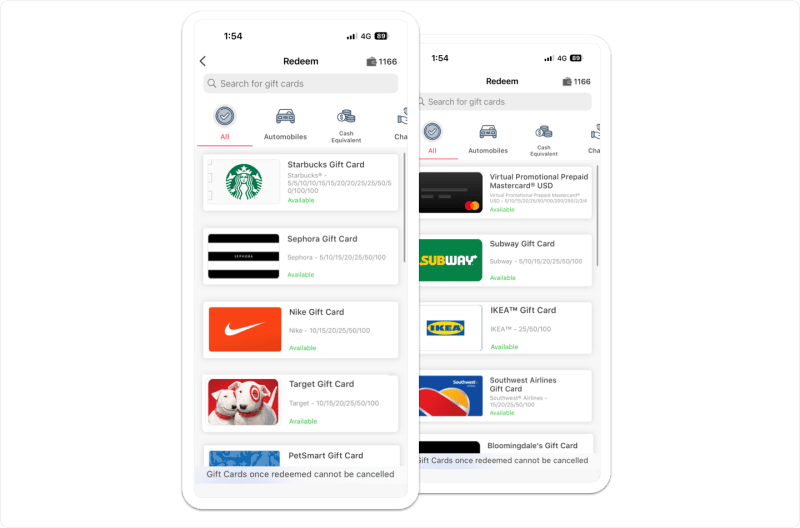
Some organizations reimburse employees through payroll after expense submission. Others manage stipends through wellness platforms that simplify expense tracking.
-
HR teams track usage and engagement
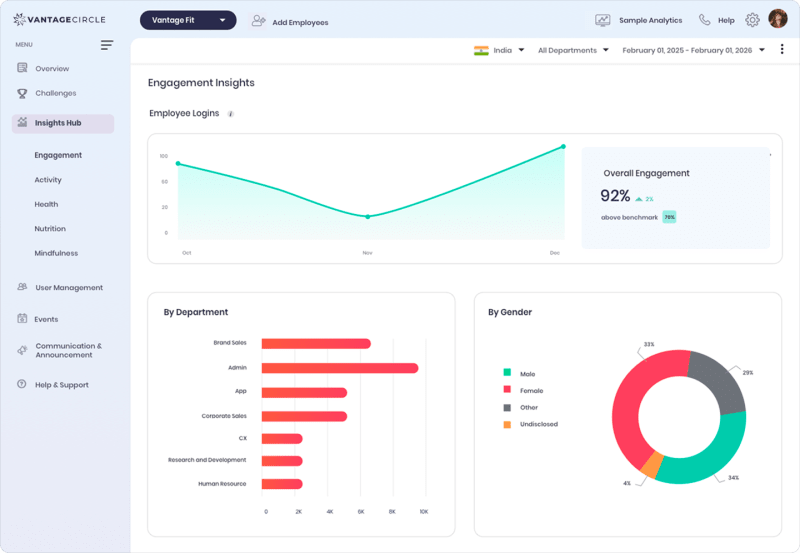
Monitoring how employees use the stipend helps HR leaders understand participation levels and improve their wellness programs over time.
This model allows organizations to support employee wellbeing while keeping administration relatively simple.
Wellness Stipend vs Traditional Wellness Benefits
Traditional corporate wellness programs usually offer fixed benefits such as corporate gym memberships or onsite wellness initiatives. While these programs can be useful, they may not suit every employee’s lifestyle or preferences.
A wellness stipend offers greater flexibility. Instead of limiting employees to specific activities, organizations provide a budget that employees can spend on the wellness of resources that work best for them.
| Traditional Wellness Benefits | Wellness Stipend |
|---|---|
| Fixed benefits such as corporate gym memberships | Flexible spending across multiple wellness categories |
| Limited personalization | Employees choose activities that suit their needs |
| Participation may vary | Higher engagement potential |
Because employees can personalize their wellness benefits, stipend programs often lead to stronger participation and satisfaction.
Are Wellness Stipends Taxable? What HR Needs to Know
In most cases, wellness stipends are taxable income. Because they cover general lifestyle costs rather than qualified medical expenses, the IRS treats them as wages. An IRS Chief Counsel memorandum confirms that wellness rewards such as gym membership fees are taxable, and Publication 15-B sets out the wider fringe-benefit rules.
Because wellness stipends typically cover general lifestyle expenses such as gym memberships, fitness equipment, or wellness apps, tax authorities usually classify them as additional employee compensation rather than medical reimbursements.
This means the stipend amount is usually subject to:
- income tax
- payroll tax
Employers typically include the stipend in an employee’s taxable wages.
This differs from programs such as Health Reimbursement Arrangements (HRAs), which reimburse qualified medical expenses and may receive tax advantages under certain conditions.
Wellness stipends offer broader flexibility for employees, but they generally do not qualify for tax exemptions because the expenses covered are not strictly medical in nature.
Pre-Tax vs Post-Tax Stipend Structures
Most wellness stipends are provided as post-tax benefits.
Companies usually manage the benefit in one of the following ways:
-
Expense reimbursement model
Employees submit receipts for approved wellness expenses and receive reimbursement through payroll.
-
Allowance model
Employees receive a fixed monthly or annual stipend as part of their compensation.
Because tax regulations can vary depending on company structure and location, organizations should consult tax professionals before finalizing their wellness stipend policies.
How HR Teams Can Stay Compliant
To avoid confusion and ensure compliance, HR teams should clearly define:
- eligible expense categories
- reimbursement rules
- documentation requirements
- stipend limits
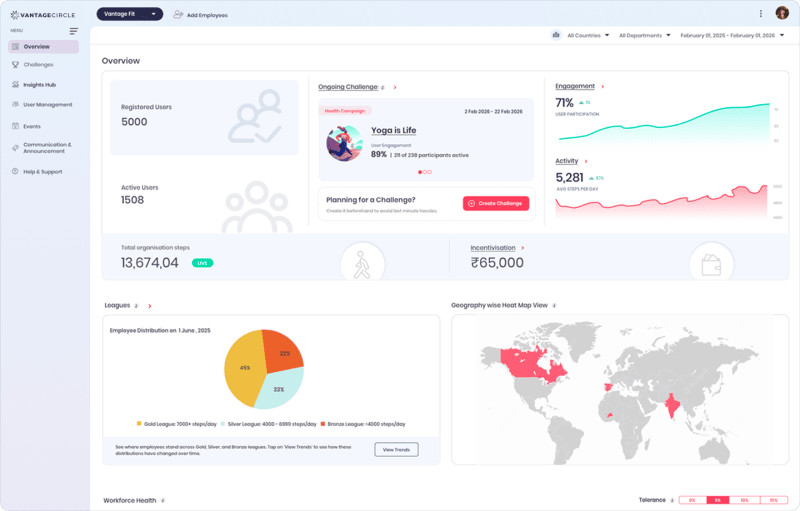
Using a centralized wellness platform can also simplify administration by helping HR teams track stipend usage, manage reimbursements, and generate reporting insights.

Clear policies and proper documentation help organizations maintain transparency while ensuring that wellness stipend programs remain compliant with applicable tax regulations.
How Much Should a Wellness Stipend Be? Benchmarks & Examples
There is no universal amount for a wellness stipend. What companies offer depends on company size, available budget, and which wellness priorities they are trying to move. Most programs land somewhere between $25 and $100 per employee per month, with the ranges below serving as a starting point rather than a rule.
However, most organizations follow industry benchmarks when designing their stipend programs.
Across industries, wellness stipends typically range between $500 and $1,200 per employee per year. Smaller companies often begin with modest monthly allowances, while larger organizations offer higher annual budgets as part of broader employee wellbeing strategies.
Many HR teams prefer monthly stipends because they encourage consistent participation rather than one-time spending at the end of the year.
Industry Benchmarks by Company Size
The following table highlights common wellness stipend ranges based on company size.
| Company Size | Average Monthly Stipend | Average Annual Budget |
|---|---|---|
| Small businesses (1–100 employees) | $25–$50 | $300–$600 |
| Mid-sized companies | $50–$100 | $600–$1,200 |
| Enterprise organizations | $100+ | $1,200+ |
These benchmarks are not strict rules, but they provide helpful guidance for HR teams planning their wellness budgets.
Real Company Examples
Several well-known companies have introduced wellness stipends as part of their employee benefits programs.
Examples include:
- Adobe provides employees with approximately $600 per year for wellness-related expenses.
- EY (Ernst & Young) reimburses employees for up to $1,000 annually for eligible wellbeing activities.
These programs typically cover categories such as fitness memberships, mental health services, and wellness resources.
Many modern organizations also combine stipend benefits with digital wellness platforms that provide structured engagement tools such as challenges, activity tracking, and reward systems.
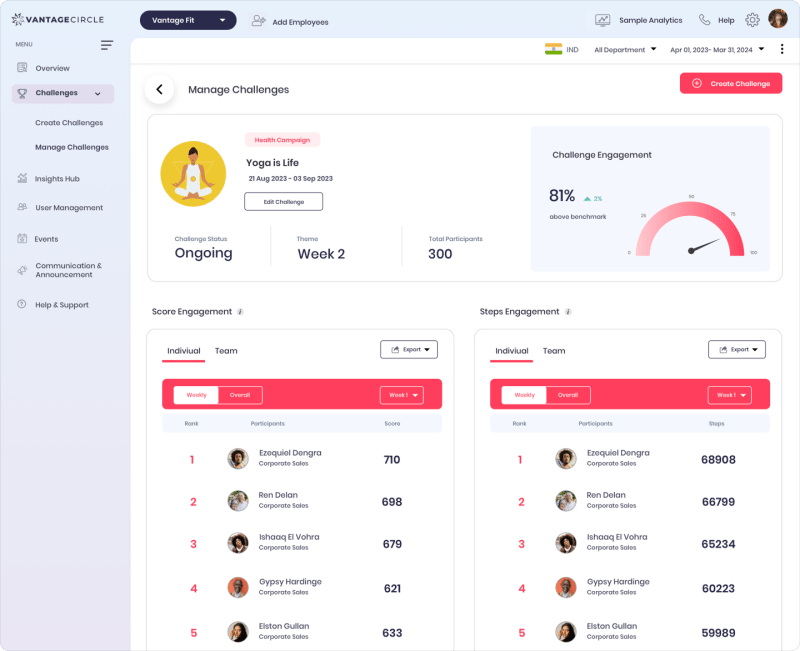
Choosing the right stipend amount ultimately depends on the organization’s goals. Some companies introduce smaller stipends initially and expand them as employee participation increases.
15 Wellness Stipend Ideas Employees Actually Use
The biggest advantage of a wellness stipend is flexibility, and the ideas below reflect what employees actually spend on rather than what looks good in a benefits deck. They span physical, mental, and lifestyle health, and most work at any budget level. Pick the categories that match your workforce instead of offering all fifteen.
Organizations typically define approved spending categories while still allowing employees enough flexibility to personalize how they use their stipend.
Below are some of the most common ways employees spend their wellness stipends.
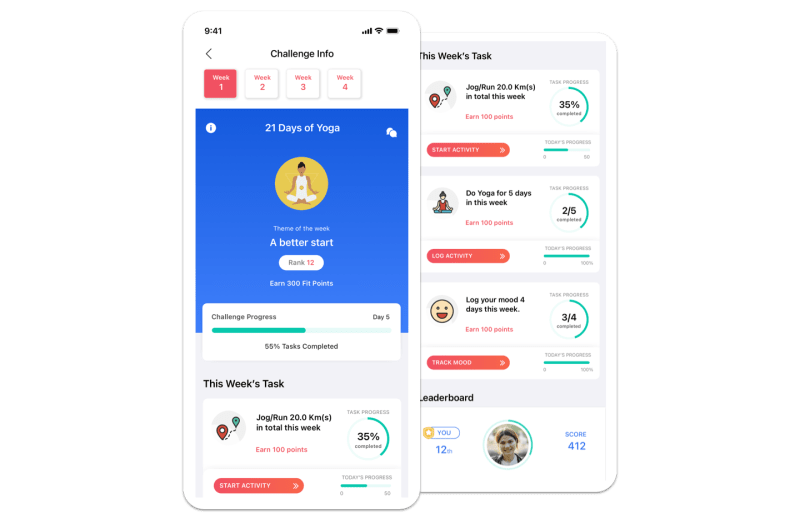
Physical Fitness and Exercise
Fitness-related expenses remain the most popular use of wellness stipends. Many employees use the benefit to maintain an active lifestyle and support their physical health.
Examples include:
- Gym memberships
- Yoga or Pilates classes
- Personal training sessions
- Home fitness equipment
These activities help employees stay active and reduce long-term health risks.
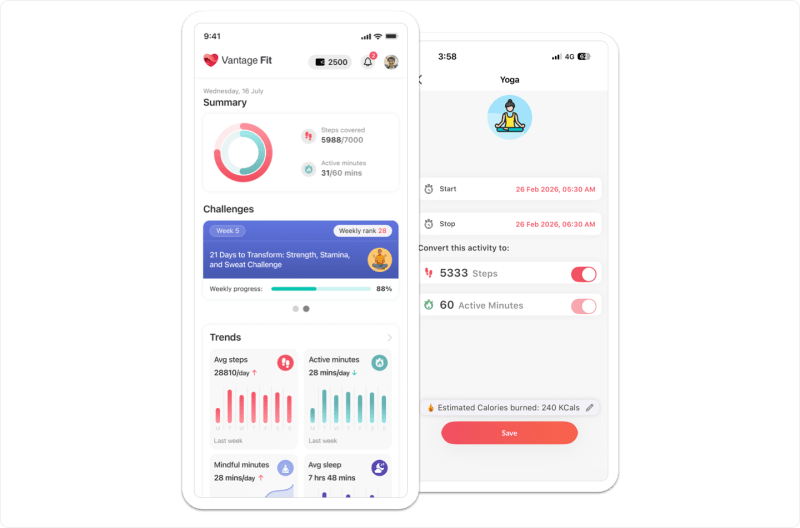
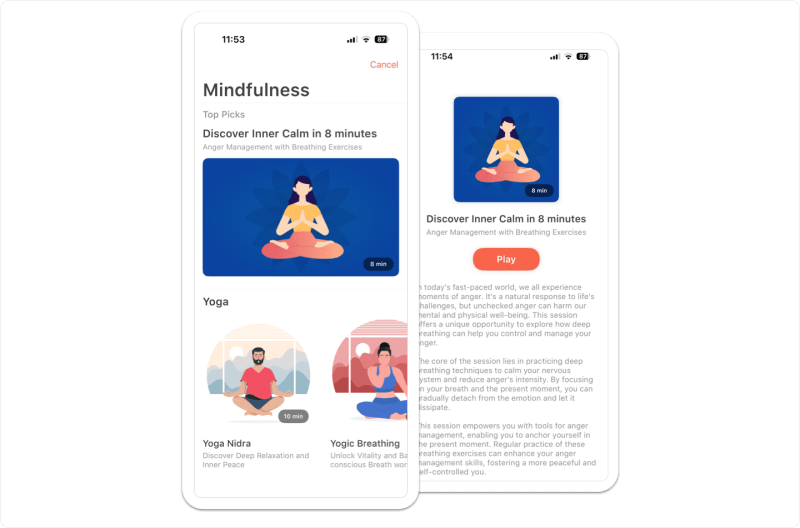
Mental Health and Stress Management
Mental wellbeing has become a major focus for workplace wellness programs. Many companies allow wellness stipends to cover resources that support emotional and psychological health.
Common options include:
- Therapy or counseling sessions
- Meditation and mindfulness apps
- Stress management programs
Providing access to mental health resources helps employees manage workplace stress and maintain a better work-life balance.
Nutrition and Healthy Living
Healthy eating habits also play an important role in employee wellbeing. Some organizations allow employees to use their wellness stipends for nutrition-related services.
Examples include:
- Nutrition coaching
- Healthy meal programs
- Cooking or wellness workshops
These resources help employees develop healthier daily habits and improve overall wellbeing.
Ergonomic Workspaces
As hybrid and remote work continue to grow, employees increasingly invest in creating comfortable work environments at home.
Wellness stipends may cover items such as:
- Ergonomic office chairs
- Standing desks
- Blue light glasses
Improving workspace ergonomics can help reduce fatigue, improve posture, and prevent long-term health issues.
Wellness Technology and Recovery
Technology and recovery services are also becoming common stipend categories.
Examples include:
- Fitness wearables and wellness apps
- Recovery services such as massage therapy or wellness treatments
These tools help employees track their health, improve fitness routines, and support recovery.
Organizations often see stronger participation when wellness stipends cover multiple categories instead of focusing only on fitness. Flexible programs allow employees to choose benefits that best match their lifestyle and wellbeing goals.
How to Implement a Wellness Stipend Program (6-Step Framework)
Launching a wellness stipend takes more than allocating a budget. Organizations that follow a structured rollout see higher participation, smoother administration, and a clearer ROI story at renewal. The six steps below run from defining eligible categories through to measurement, in the order most HR teams find workable.
Below is a practical six-step framework HR teams can follow to design and implement a successful wellness stipend program.
Step 1: Understand Employee Wellness Needs
Before defining the stipend structure, HR teams should identify what employees actually value.
Organizations can gather insights through:
- employee wellness surveys
- benefits utilization data
- feedback from employee engagement programs
This step helps companies prioritize the wellness categories that employees are most likely to use.
Step 2: Set a Budget and Funding Model
The stipend amount should align with the company’s budget and wellness objectives.
HR teams typically decide:
- whether the stipend will be monthly or annual
- the amount offered per employee
- which employees are eligible (full-time, remote, global teams)
Many companies start with a smaller stipend and increase the budget as participation grows.
Step 3: Define Eligible Expense Categories
Clear guidelines help employees understand what the stipend can be used for.
Companies usually define categories such as:
- fitness and exercise
- mental health support
- nutrition programs
- ergonomic equipment
- wellness technology
Defining these categories ensures flexibility while maintaining program compliance.
Step 4: Choose an Administration Method
How the stipend is managed can significantly impact HR workload.
Organizations generally choose between:
- manual reimbursement through payroll
- expense submission systems
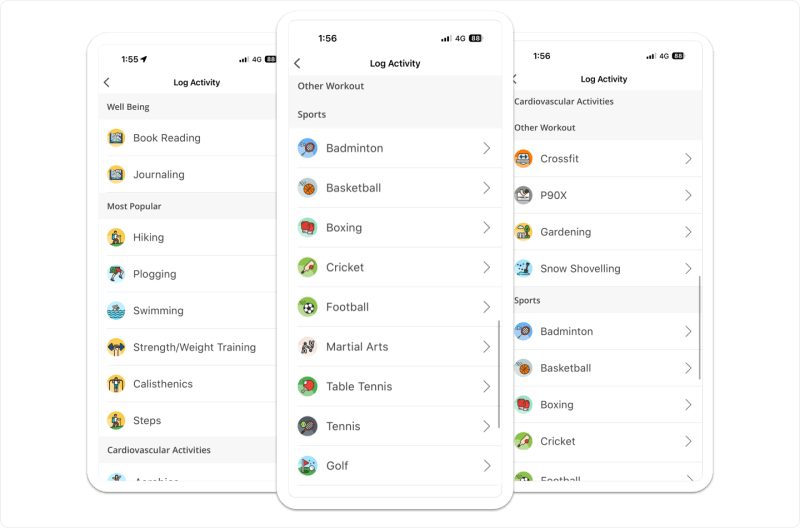
- wellness platforms that automate stipend tracking
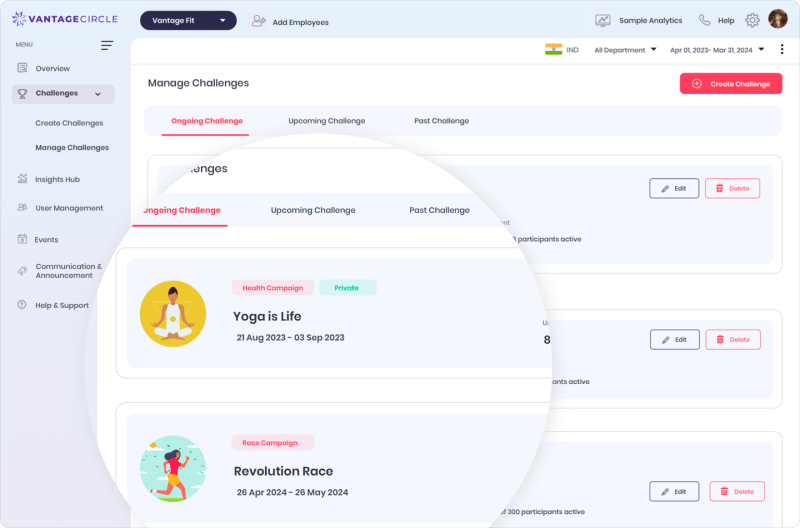
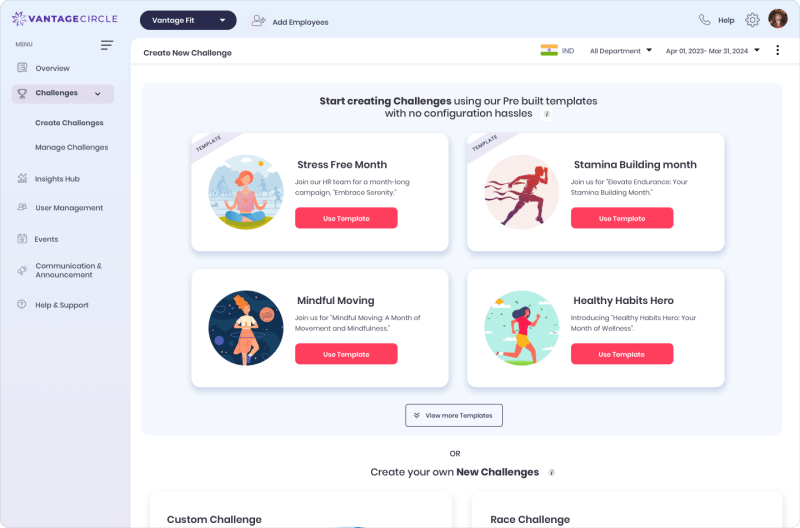
Some companies use wellness platforms that combine stipend management with wellness challenges, engagement tracking, and reward systems. This allows HR teams to manage benefits and participation data in one place.
Step 5: Communicate the Program to Employees
Even well-designed benefits programs can fail if employees are not aware of them.
HR teams should clearly communicate:
- how employees can access the stipend
- approved spending categories
- reimbursement processes
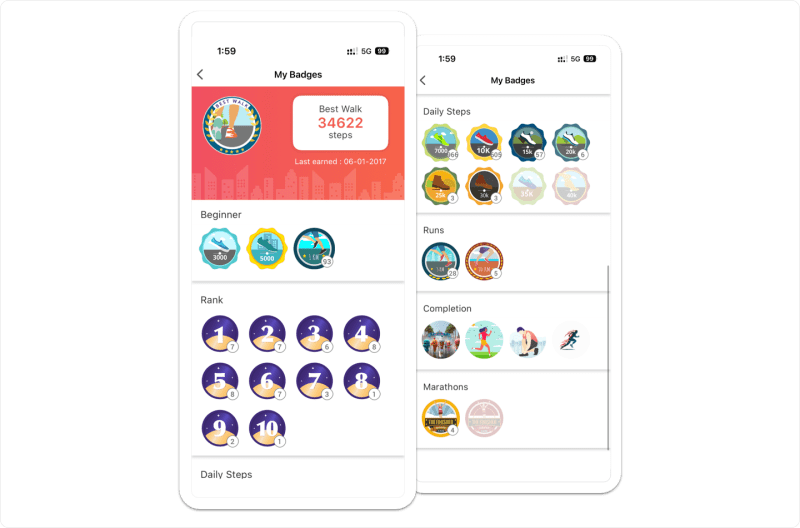
Internal campaigns, onboarding sessions, and regular reminders can help increase participation.
Step 6: Measure Performance and Optimize
Once the program is launched, HR leaders should track participation and engagement.
Useful metrics include:
- percentage of employees using the stipend
- most common spending categories
- employee satisfaction feedback
- engagement with related wellness initiatives
Tracking these insights allows organizations to refine their wellness programs and ensure the stipend continues to support employee wellbeing.
Wellness Stipend vs Comprehensive Wellness Platform: Which Is Better?
Most organizations start with a stipend because it is simple to introduce and hands employees real choice. The trade-off is visibility: a stipend tells you what was spent, not whether anyone got healthier. A platform adds engagement mechanics and participation data, and the two are often strongest combined rather than chosen between.
However, as wellness programs grow, HR leaders often evaluate whether a stipend alone is enough to drive engagement and measurable outcomes.
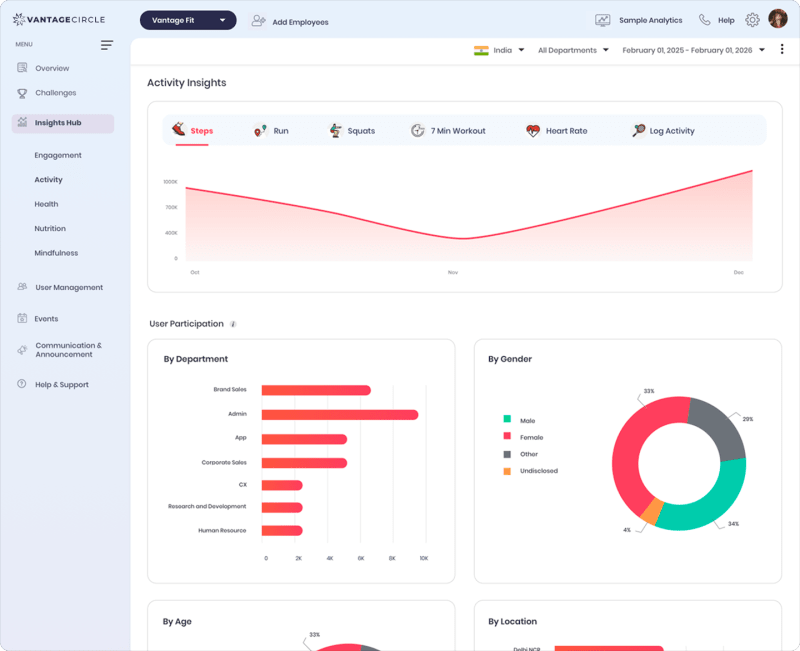
A wellness stipend provides financial support for wellbeing activities, but participation often depends entirely on employee motivation. A comprehensive wellness platform, on the other hand, introduces structured programs, engagement tools, and analytics that help organizations actively promote healthier behaviors.
Key Differences Between Stipends and Wellness Platforms
The table below highlights how stipend-only programs compare with structured wellness platforms.
| Feature | Wellness Stipend Only | Wellness Platform | Stipend + Platform |
|---|---|---|---|
| Employee flexibility | High | Moderate | High |
| Administrative effort | Medium | Low | Low |
| Engagement tracking | Limited | Strong | Strong |
| Wellness challenges | No | Yes | Yes |
| Participation visibility | Minimal | Real-time analytics | Full visibility |
| Long-term engagement | Inconsistent | Consistent | Highest impact |
While stipends give employees freedom, platforms provide tools that encourage consistent participation.
When a Wellness Stipend Works Well
A stipend-only model often works well for:
- small organizations introducing wellness benefits for the first time
- companies testing employee interest in wellness programs
- organizations looking for simple, flexible benefits
In these cases, the stipend acts as an accessible starting point that allows employees to explore wellness resources.
When a Wellness Platform Becomes Necessary
As organizations grow, HR teams often need better visibility into participation and program impact.
A wellness platform can help organizations:
- automate wellness program administration
- track employee engagement in real time
- run structured wellness challenges and activities
- measure program outcomes through analytics dashboards
These tools allow HR leaders to move beyond simply offering benefits and start building a culture of wellbeing.
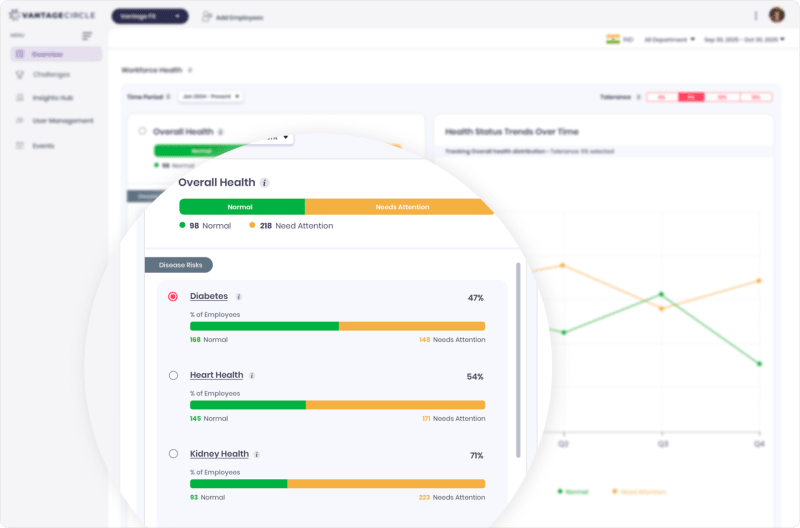
The Best Approach: Combining Stipends with a Wellness Platform
Many organizations combine wellness stipends with a wellness platform to balance flexibility and engagement.
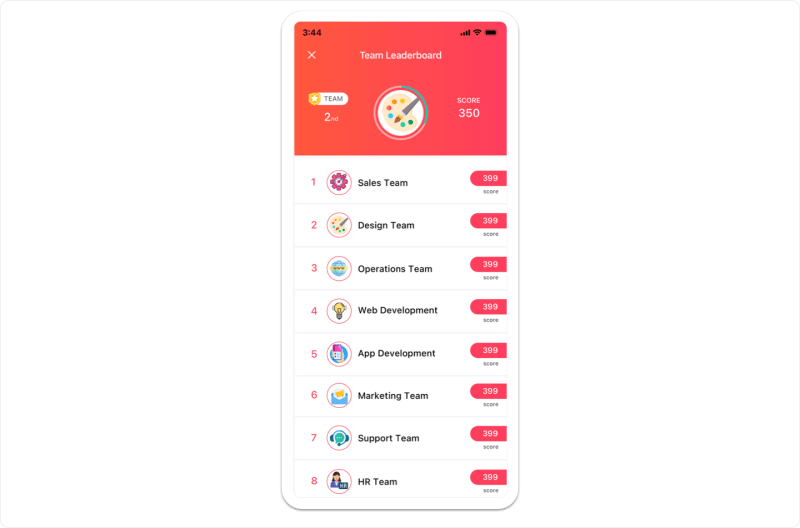
Employees can spend their stipend on personal wellbeing activities while also participating in structured wellness programs such as step challenges, mindfulness programs, or fitness campaigns.
This combination allows organizations to support individual wellbeing choices while also encouraging collective participation across the workforce.
How Employees Spend Their Wellness Stipend
Wellness stipends work best when employees spend them on things that fit their everyday routine. In practice the spending concentrates in a handful of categories rather than spreading evenly across everything on the eligible list. Knowing which categories dominate helps you set the budget and decide what to approve.
For many employees, fitness-related expenses remain the most common use of wellness stipends. Gym memberships, workout classes, sports activities, and home fitness equipment are popular choices because they help employees maintain active lifestyles.
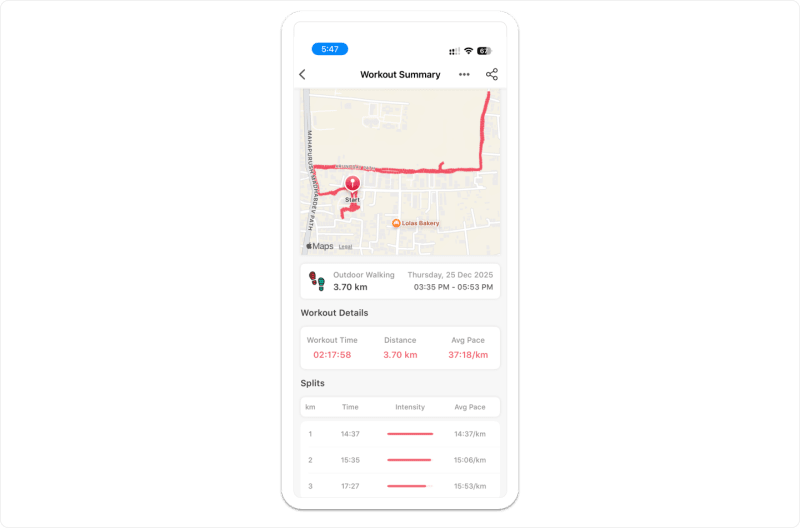
Mental wellbeing is another major spending category. Many employees choose to use their stipend for therapy sessions, meditation apps, or stress management programs that help them manage work pressure and maintain emotional balance.
Remote and hybrid employees often invest their stipend in creating healthier work environments at home. Ergonomic chairs, standing desks, blue light glasses, and other workspace improvements help employees stay comfortable during long work hours.
Nutrition and lifestyle wellness programs are also increasingly common. Employees may use their stipend for nutrition coaching, healthy meal programs, wellness apps, or fitness wearables that help track daily health habits.
The flexibility of wellness stipends allows employees to prioritize the areas of wellbeing that matter most to them.
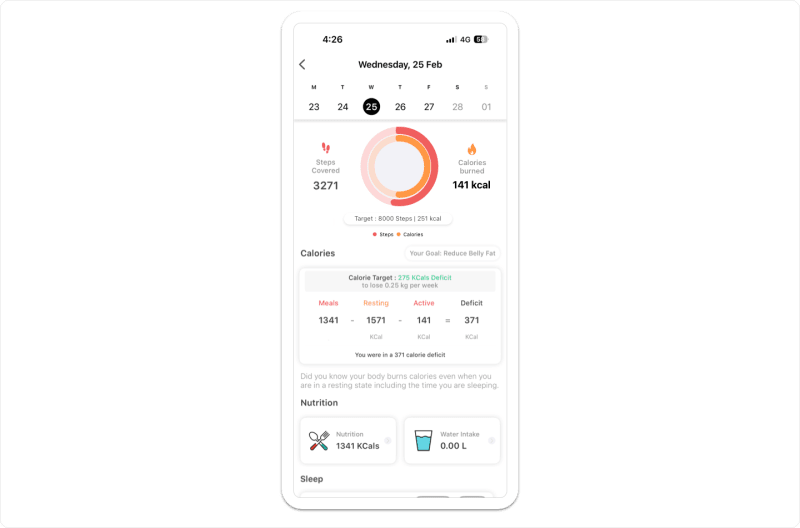
For HR teams, analyzing how employees spend their stipend provides valuable insights. Understanding popular spending categories helps organizations refine eligibility rules, expand wellness offerings, and design programs that employees genuinely use.
Measuring Wellness Stipend ROI: Metrics That Matter for HR
Introducing the stipend is the easy part. HR leaders have to show how the spend contributes to measurable business outcomes, and a stipend on its own generates thin evidence. The metrics below cover utilization, participation, and outcome indicators, and they are the ones most likely to survive a budget review.
Participation and Utilization Rate
One of the most important indicators of program success is how many employees actively use the stipend.
HR teams should track:
- percentage of employees using the stipend
- frequency of reimbursements or claims
- most common spending categories
High participation usually indicates that the benefit aligns with employee needs, while low utilization may signal unclear communication or restrictive spending categories.
Employee Engagement and Satisfaction
Wellness benefits can significantly influence employee experience and workplace morale.
Organizations can measure engagement through:
- employee feedback surveys
- participation in wellness initiatives or challenges
- satisfaction scores related to benefits programs
Higher engagement often correlates with stronger workplace culture and improved employee wellbeing.
Retention and Absenteeism Trends
Wellness programs can contribute to long-term workforce stability.
HR teams should monitor trends such as:
- employee retention rates
- burnout or stress indicators
- absenteeism patterns over time
Even small improvements in retention can offset the cost of wellness investments.
Productivity and Organizational Outcomes
A well-designed wellness program supports employee energy, focus, and productivity.
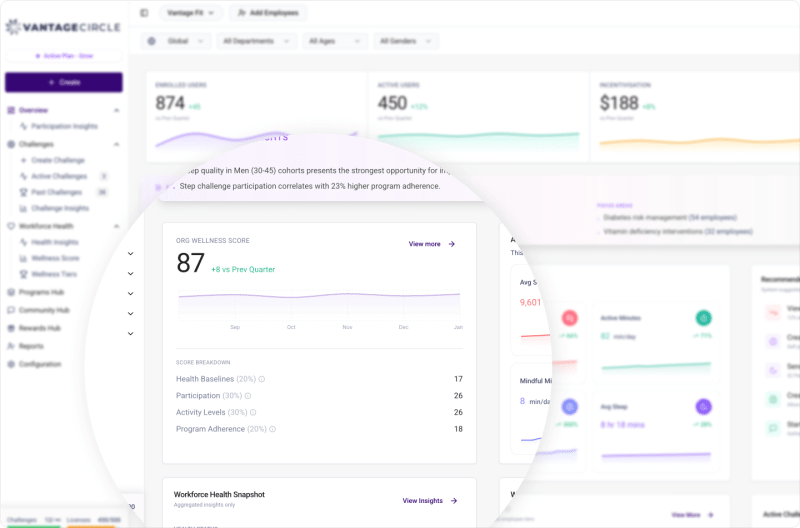
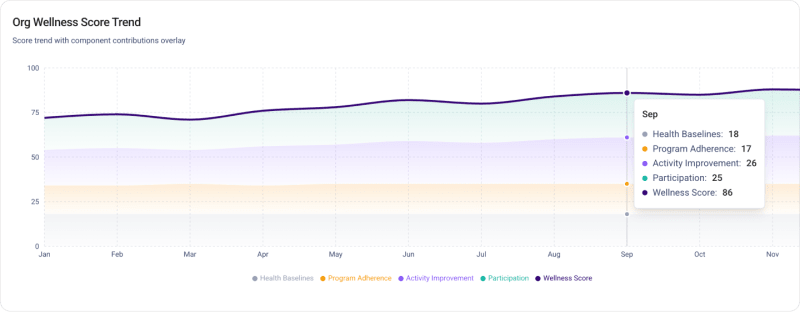
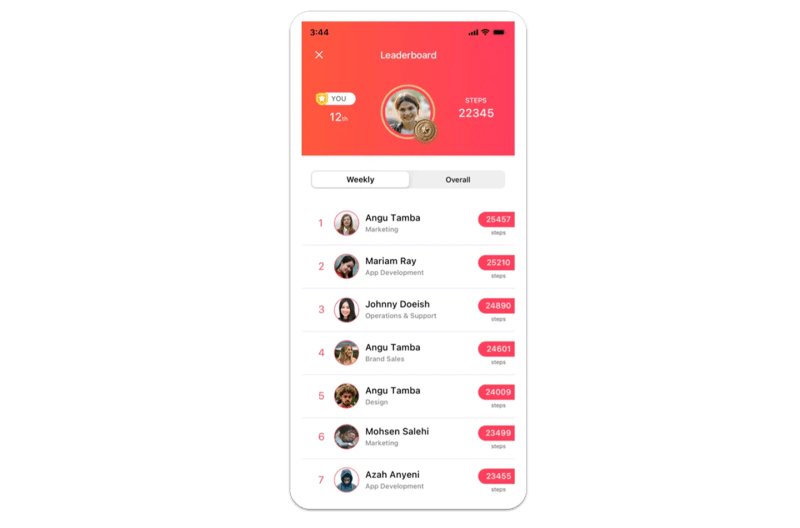
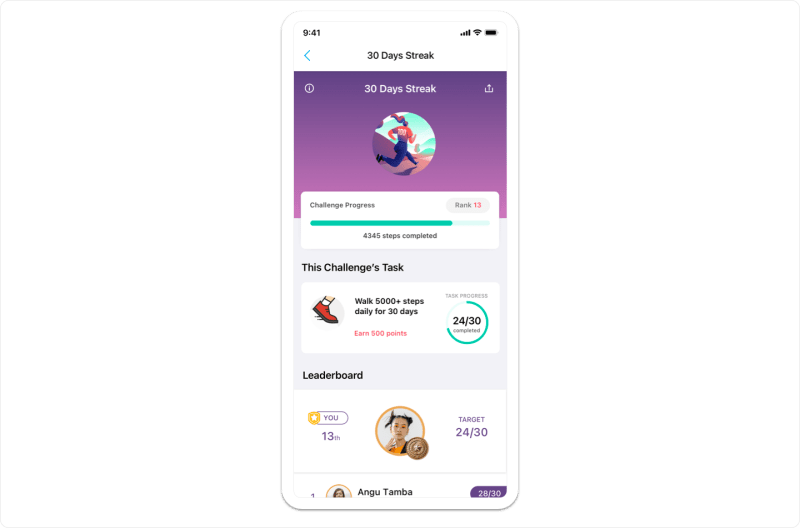
Wellness platforms can simplify ROI tracking by consolidating participation data, activity tracking, and reward redemption into a single dashboard. Platforms like Vantage Fit allow HR teams to monitor wellness engagement alongside participation metrics, helping organizations understand how wellbeing initiatives impact overall workforce performance.

By regularly reviewing these insights, HR leaders can refine their wellness strategies and ensure that stipend programs continue to support both employee wellbeing and organizational goals.
Frequently Asked Questions
What is a wellness stipend?
A wellness stipend is an employer-funded allowance employees can use for approved wellbeing expenses such as gym memberships, mental health services, wellness apps, or ergonomic equipment. It gives employees flexibility to choose the wellness resources that best support their lifestyle and health goals.
Are wellness stipends taxable?
Yes, in most cases wellness stipends are considered taxable income because they cover general wellbeing expenses rather than qualified medical costs. Employers usually include the stipend in an employee's taxable wages and report it through payroll.
How much should a wellness stipend be?
Most organizations offer wellness stipends between $500 and $1,200 per employee annually. Smaller companies may start with lower monthly allowances, while larger organizations often provide higher annual budgets as part of their broader employee wellbeing strategy.
What can employees spend a wellness stipend on?
Employees commonly spend wellness stipends on gym memberships, fitness classes, therapy sessions, meditation apps, nutrition coaching, wellness devices, or ergonomic home office equipment. The goal is to support activities that improve physical, mental, or lifestyle wellbeing.
Can remote employees use wellness stipends?
Yes. Wellness stipends are particularly effective for remote and hybrid teams because employees can choose benefits suited to their work environment, such as home fitness equipment, ergonomic furniture, wellness apps, or mental health services.
What is the difference between a wellness stipend and an HRA?
A Health Reimbursement Arrangement (HRA) reimburses qualified medical expenses and may receive tax advantages. Wellness stipends, on the other hand, provide flexible funding for general wellbeing activities but are usually treated as taxable employee benefits.
Should wellness stipends be monthly or annual?
Many organizations prefer monthly stipends because they encourage consistent participation throughout the year. Annual stipends can provide greater spending flexibility, but monthly allowances often lead to higher engagement and more regular wellness activity.
Do unused wellness stipends roll over?
This depends on company policy. Some organizations allow unused stipends to roll over into the next period, while others follow a "use-it-or-lose-it" model to encourage employees to actively participate in wellness initiatives.
Do employees have to repay wellness stipends?
In most cases, employees do not need to repay wellness stipends once they have received them. However, some organizations may include repayment clauses for annual stipends if employees leave the company shortly after receiving the benefit.
How do companies manage wellness stipends?
Organizations typically manage wellness stipends through payroll reimbursements, expense submission systems, or wellness platforms that track spending, manage reimbursements, and provide HR teams with participation and engagement insights.