Smoking tobacco is a widespread practice among many corporate employees around the world. Many employees resort to smoking as a means of relieving workplace stress and anxiety. Also, many companies provide specific smoke-breaks to their employees.
However, smoking tobacco is widely known for its harmful side-effects and its impact on smokers’ lives.
For instance, cigarette smoking is one of the major causes of preventable diseases and deaths in the US, responsible for more than 480,000 deaths every year.
With health risks such as cancer, heart disease, and many more, smoking is undoubtedly a hazardous practice. Moreover, cigarette smoke also affects non-smokers in the vicinity of smokers.
Why Do Employees Take Smoke Breaks at Work?
Corporate employees work long hours in front of their computers, and this takes a toll on their bodies and their minds. As such, they take short breaks to refresh and rejuvenate themselves. Some employees might go for a walk, some might socialize with each other, and some might take a cigarette break.
While taking short breaks is very important for employees to stay focused and motivated at work, smoking during those breaks may be counterproductive.
Cigarette smoking is known for creating a sense of immediate relaxation for smokers and relieving stress. However, the relaxing effect is short-lived, and people have to smoke more to get the same feeling. And doing so can cause addiction and severe health effects in the long run.
What Are the Effects of Smoke Breaks on Employees and Employers?
Two significant ways that smoke-breaks at work impact employee productivity are by increased absenteeism and presenteeism.
In general, smokers are more susceptible to health diseases, and health care costs for such employees are also higher than those of non-smokers. The scale of that is national, not anecdotal: the CDC puts the cost of cigarette smoking in the United States above $600 billion in 2018, including more than $240 billion in health care spending and nearly $185 billion in lost productivity from smoking-related illness. Such employees are more likely to take sick leaves due to nicotine-related health problems than employees who don’t smoke.
Also, as nicotine is a very addictive drug, it causes cravings that distract employees and affect their productivity levels.
Moreover, due to health issues caused by smoking, employers face the problem of increased presenteeism, i.e., the time an employee is present at work but is unproductive due to health reasons.
In many companies, employers are provided with smoking breaks despite no legal obligation for employers to do so. Such breaks may create a sense of disharmony among employees in the workplace as non-smokers are not entitled to these breaks.
At the same time, many companies provide designated smoking areas in their workplaces for smokers. Despite being convenient for smokers, these designated areas can pose a risk of second-hand smoke to non-smokers.
All in all, smoke-breaks not only affect employees physically and mentally but also affect employers. Employers should take steps to reduce smoke breaks at work, or if possible, help employees quit smoking altogether.
The business case is clear: companies that invest in employee health programs save an average of $250 per employee annually in healthcare costs. And just 75 minutes of exercise per week can reduce absenteeism by up to 4 days per year, a direct offset to the time and productivity lost to frequent smoke breaks.
How Can Employers Reduce Smoke Breaks at Work?
Organizations worldwide look for new ways to help their employees become healthier to increase productivity and minimize healthcare costs. Reducing smoke-breaks and assisting employees to minimize smoking is one way to do so.
Here are 11 tips that will help you reduce frequent smoke breaks and minimize smoking in your workplace -
- Educate your employees about the ill effects of smoking through regular newsletters and emails. You can also stick signs and posters in your workplace.
- Introduce and implement an employee wellness program in your workplace to promote good health behaviors. Such programs can prove useful in helping employees lead healthier lives.
- Encourage regular exercise and mindfulness meditation and promote them as ways of reducing stress instead of smoking.
- Create, and incentivize office-fitness and weight-loss challenges to encourage fitness among your employees. As employees become fitter and healthier, they will reduce or stop smoking on their own as it can affect their fitness levels.
- Introduce and promote a smoke-cessation program to create a smoke-free workplace.
- Implement an employee assistance program to provide your employees with counseling on smoking and help them quit altogether.
- Conduct on-site training sessions and seminars on the effects of smoking.
- Conduct biometric screenings and health risk assessments to make your employees aware of their health.
- Encourage your employees to use their breaks for activities other than smoking like walking, meditating, eating a healthy snack, and so on.
- Provide chewing gums and nicotine patches for employees wanting to quit smoking.
- Appreciate and reward employees who quit smoking with incentives.
Final Words
Frequent smoke breaks and increased smoking can affect both employers and employees alike. By reducing the frequency of smoke breaks at work, employers can improve their employees’ health and increase their overall productivity. Doing so can significantly increase an organization’s profits and also enhance the environment in the workplace.
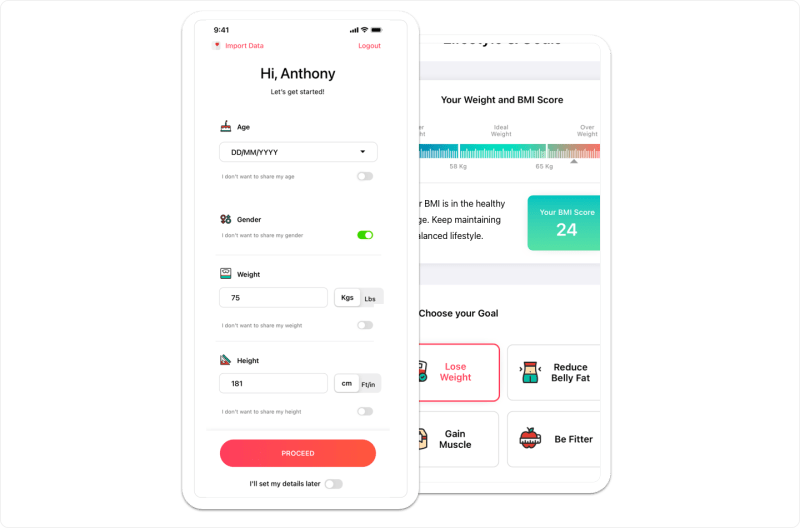
In this age of technology, employee wellness platforms can serve the purpose of smoke cessation holistically. Platforms like Vantage Fit combine health risk assessments, step challenges, mindfulness sessions, and focused peer communities, giving employees the structured support they need to build healthier habits and eventually quit smoking altogether. The Health Risk Assessment feature in particular helps employees see the measurable impact of smoking on their biomarkers, turning awareness into action.
Frequently Asked Questions
Are employers required to give smoke breaks?
There is no general obligation to provide smoking breaks specifically. Break entitlements come from local labour law and company policy, and they are rest breaks rather than smoking breaks. Employers are free to set a single break policy that applies to smokers and non-smokers alike.
How much do smoke breaks cost an employer?
The direct cost is lost working time, but the larger cost is absenteeism, presenteeism and health care spend. The CDC puts smoking's total cost to the United States above $600 billion in 2018, of which nearly $185 billion is lost productivity from smoking-related illness.
Is it fair to non-smokers if smokers take extra breaks?
It is the most common source of friction, and the fix is a policy written in break time rather than in behaviour. Give every employee the same break allowance and let them use it as they choose, so the entitlement stops being tied to smoking.
How can employers help employees stop smoking?
Fund a cessation route rather than only restricting breaks: counselling access, nicotine replacement, a designated quit date supported by the team, and incentives tied to participation. Pair it with alternatives to the break itself, such as short walks, so the pause survives without the cigarette.
Does smoking actually relieve workplace stress?
Only briefly. The relaxation smokers report is the relief of ending nicotine withdrawal, so the effect fades and requires the next cigarette to repeat. The underlying workplace stress is untouched, which is why stress support has to be addressed separately.