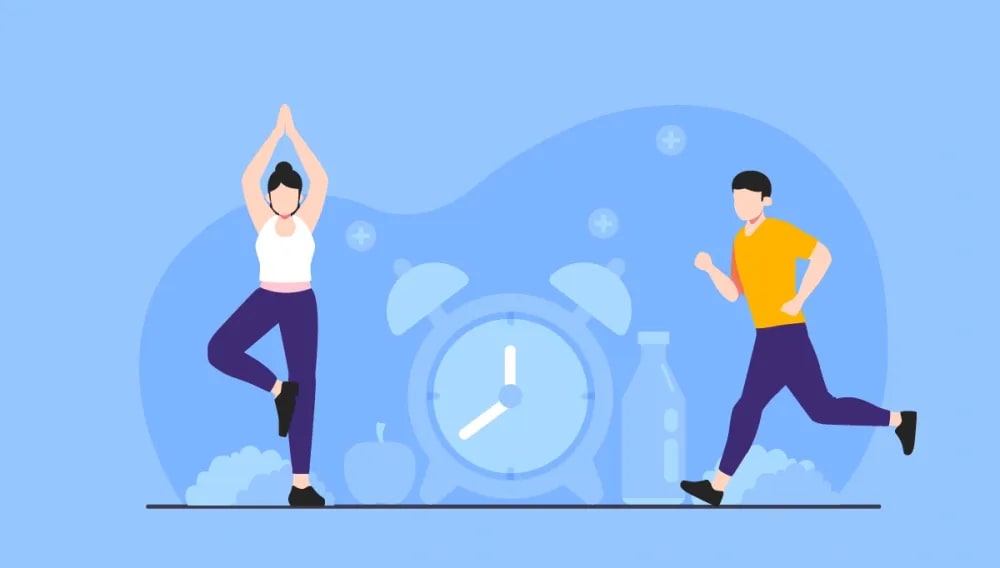

This year, International Yoga Day falls on Sunday, June 21, 2026, and the official theme is "Yoga for Healthy Aging."
For workplaces looking to participate, one of the simplest ways to mark the day is by organizing a short guided session. A 20 to 30 minute routine of gentle stretches, seated movements, and breathing exercises can help employees relax, recharge, and experience the benefits of yoga together.
The good news is that celebrating International Yoga Day at work doesn't require a large budget or weeks of planning.
Whether your employees work from the office, remotely, or in a hybrid setup, a few well-chosen activities can encourage participation and make the day meaningful. The blog shares practical ideas, a simple event plan, and engagement tips that HR teams can use.
When is International Yoga Day, and what is the theme?
International Yoga Day is on June 21. This year's theme is "Yoga for Healthy Aging," set by India's Ministry of Ayush. The theme highlights how yoga supports mobility, mental well-being, and active living as people grow older.
The event is a United Nations observance, first held in 2015 after Indian Prime Minister Narendra Modi proposed it at the UN General Assembly in 2014. Because June 21, 2026, lands on a Sunday, most teams can hold their workplace session on Friday, June 19, or sometime during the following week, rather than on the day itself.
Why mark International Yoga Day at work?
Observing International Yoga Day gives teams a low-cost, inclusive way to reduce stress and reset. Yoga pairs gentle movement with breathing, which lowers cortisol levels, reduces stiffness from sitting all day, and improves concentration.
The best part about yoga is that it needs no equipment. People of any fitness level can practice it, which makes it one of the easiest wellness activities to run at scale.

Here is what regular yoga does for employees:
- Reduces stress and helps regulate blood pressure
- Improves posture, flexibility, and blood circulation
- Sharpens focus and concentration
- Strengthens immunity, mood, and morale
The need for yoga is real. According to the American Institute of Stress, 80% of workers report feeling stress on the job. These are the same reasons yoga has become a staple of corporate wellness programs. For more insights, head over to our coverage on the benefits of yoga in the workplace.
How to run a yoga day session at work
The easiest approach is to keep the session short, accessible, and inclusive. Reserve a 30-minute slot, arrange a quiet space or video link, and guide employees through a warm-up, a few gentle poses, and breathing exercises.
The goal is to garner participation and boost well-being. There should not be any emphasis on who has the perfect form or fitness level in the begining.
Here is a sample 20 to 30 minute schedule you can follow as is:
| Time | Segment | What happens |
|---|---|---|
| 0-3 min | Welcome and settle in | Short intro, ask everyone to sit comfortably and silence notifications |
| 3-8 min | Seated warm-up | Shoulder rolls, neck stretches, and gentle chair twists |
| 8-18 min | Easy poses | Easy pose, tree pose, and child's pose, demonstrated one at a time |
| 18-25 min | Breathing | Alternate-nostril, ocean, and humming breath |
| 25-30 min | Wind down | Corpse pose and a short moment of reflection |
Running it virtually or hybrid
For remote and hybrid teams, host the session on your usual video platform. Pin the instructor's video, mute participants by default, and make camera use optional so everyone can participate comfortably. You can also arrange a pre-recorded session for anyone who lives in a different time zone.
Low-effort ideas if you are short on time
- Share a 10 to 15 minute pre-recorded yoga or chair yoga video and invite people to follow along at their desks.
- Block a 10-minute "stretch and breathe" break on the shared calendar.
- Email a short guided meditation link with a simple desk yoga sequence.
- Launch a week-long yoga or movement challenge so the day becomes a habit rather than a one-off.
These small, consistent nudges add up. Organizations that integrate yoga and mindfulness into their wellness programs often see stronger participation and engagement than those that limit activities to a single awareness day.
For instance, during Wipro's Inbox to Inner Peace initiative with Vantage Fit on International Yoga Day, employees logged 163 yoga sessions and 1,279 mindfulness minutes across the program.
Put a number on it: Use the free Employee Wellness ROI Calculator to estimate what a regular yoga and wellness program could return for your team.
A simple desk-friendly yoga routine

This routine combines three easy poses with three breathing exercises, followed by a final rest. It takes about 20 minutes, requires no mat, and is beginner-friendly. Lead it during the session above, or share it so employees can practice on their own.
1. Easy pose (Sukhasana)
A basic seated pose that calms the mind and sets the tone for the session.
- Sit upright with your legs crossed.
- Place your hands on your knees, palms facing down.
- Align your head, neck, and spine, and look straight ahead.
- Sit for 2 to 3 minutes while clearing your mind of thoughts.
2. Tree pose (Vrksasana)
The tree pose improves balance and strengthens the leg muscles.
- Stand upright with your back extended and feet aligned.
- Raise your left foot and place it on the inside of your right thigh.
- Keep your pelvis straight and your toes pointing downward.
- Press your palms together and raise your hands toward the ceiling.
3. Child's pose (Balasana)
This pose helps relieve neck, back, and hip tension.
- Kneel on the floor with your knees hip-width apart and your toes together.
- Place your palms on top of your thighs.
- Exhale and lower your upper body between your knees.
- Extend your arms forward and relax your shoulders, palms facing down.
- Rest your forehead on the floor.
4. Alternate-nostril breathing (Nadi Shodhana)
This breathing exercise reduces stress and calms the mind.
- Inhale deeply through your left nostril while closing your right nostril with your right thumb.
- Close your left nostril with your ring and little finger, then exhale slowly through your right nostril.
- Continue alternating between each nostril for 2 to 3 minutes.
5. Ocean breath (Ujjayi)
The ocean breath is designed to boost your energy levels.
- Inhale through your nose and exhale slowly through your mouth, making a soft "ha" sound.
- When done correctly, it sounds like ocean waves.
- Repeat 10 to 20 times.
6. Humming breath (Bhramari)
A very calming exercise, named after the buzzing sound bees make, that eases stress and frustration.
- Sit in the easy pose and close your eyes.
- Place your index fingers on the cartilage between your cheeks and ears, and press gently.
- Take a deep breath and exhale while making a buzzing sound.
- Repeat 20 to 30 times, then slowly open your eyes.
7. Corpse pose (Savasana)
End the session here to release tension and let the body absorb the practice.
- Lie on your back with your legs straight and arms relaxed at your sides.
- Relax your entire body and let every muscle soften.
- Breathe naturally and release any remaining tension for 2 to 3 minutes.
You might also like: 7 office yoga poses to relieve stress and stay healthy
Turn Yoga Day into an ongoing wellness practice
International Yoga Day can be a great starting point, but its benefits are most noticeable when employees practice regularly. Even short sessions of stretching, mindful breathing, or yoga a few times a week can help reduce stress, improve focus, and support overall well-being.
The goal is not to build a perfect yoga routine overnight. Instead, encourage employees to take small, consistent steps that fit naturally into their workday. Whether it's a weekly guided session, a short mindfulness break, or a movement challenge, regular participation matters more than intensity.
Organizations can support these habits by making wellness activities easy to access, track, and participate in throughout the year. Tools like Vantage Fit can help employees log yoga sessions. They can join wellness challenges and stay engaged long after International Yoga Day has passed.
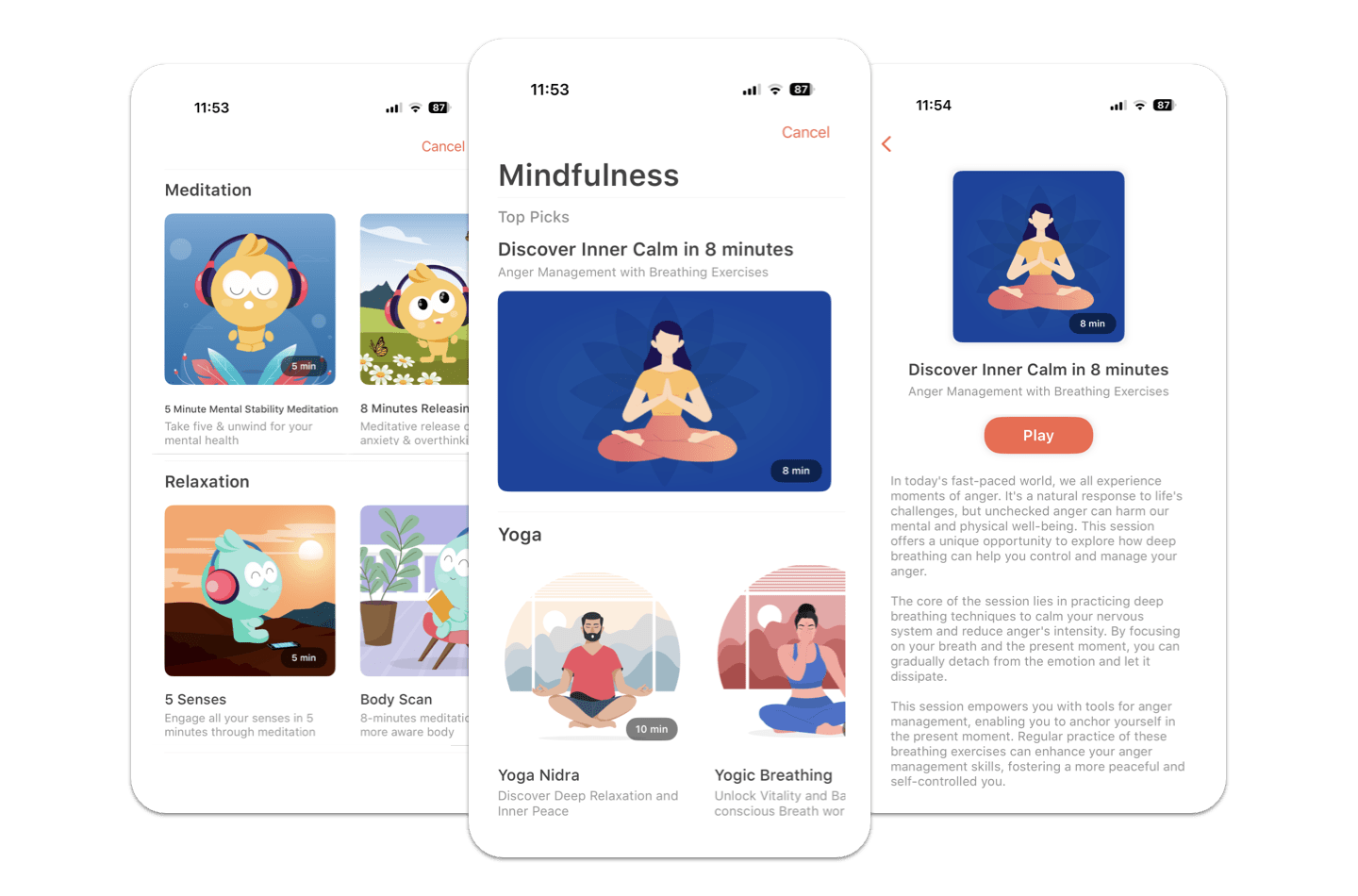
The numbers back this up. In Tata Motors' Step & Stride Challenge, employees averaged 50 minutes per yoga session across a six-month program. And as one Celegence reviewer noted:
"One of the features I loved the most was the Yoga Nidra session, which helped us relax in the stress-induced environment."
Frequently Asked Questions
When is International Yoga Day?
International Yoga Day 2026 is on Sunday, June 21. The date is fixed to June 21 every year.
What is the theme of International Yoga Day in 2026?
The theme for International Yoga Day in 2026 is "Yoga for Healthy Aging," announced by India's Ministry of Ayush. It highlights how yoga supports mobility, mental well-being, and active living as people age. The main global event is set to be held in Kolkata, India.
What are some office activity ideas for International Yoga Day?
Run a 20 to 30 minute guided seated-stretching and breathing session, share a pre-recorded yoga video for remote staff, schedule short desk yoga breaks, or launch a week-long yoga challenge. Keep it optional, beginner-friendly, and doable in regular clothes.
How long should a workplace yoga session be?
A 20 to 30 minute session works well for most teams. It is long enough to cover a warm-up, a few easy poses, and breathing exercises.
Can employees do yoga at their desk?
Yes. Desk or chair yoga, such as seated spinal twists, shoulder rolls, and simple breathing exercises, lets employees practice without a mat or a changing room. It is the easiest way to include people who cannot attend a full-floor session.
Share